
When a loved one begins to experience memory loss, families often face many questions about how to provide the right support. Understanding what modern memory care involves can help families make informed decisions that prioritize dignity, comfort, safety, and quality of life. Today’s memory care communities have evolved significantly, offering personalized support, engaging programs, and environments designed specifically for individuals living with Alzheimer’s disease and other forms of dementia.
1. What Modern Memory Care Environments Look Like
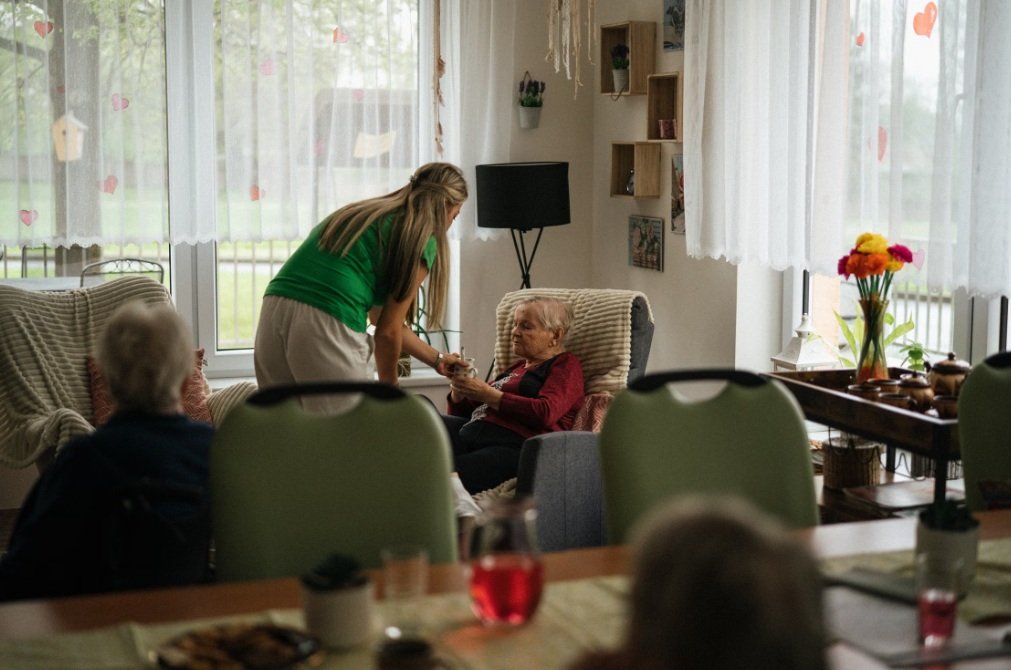
Today’s memory care communities are intentionally designed to support residents living with cognitive changes. Rather than feeling clinical or institutional, many communities feature welcoming environments with comfortable furnishings, natural lighting, familiar décor, and thoughtfully designed common spaces.
These environments are structured to reduce confusion and support confidence throughout the day. Features often include clearly marked areas, secure outdoor courtyards, comfortable gathering spaces, and easy-to-navigate layouts. The goal is to create an atmosphere where residents feel safe, comfortable, and connected.
Team members receive specialized dementia education and training that helps them communicate effectively, respond compassionately to changing needs, and support residents with patience and understanding. The environment and the people within it work together to promote overall well-being.
2. Personalized Support Plans and Individual Assessments
Modern memory care emphasizes individualized support rather than a standardized approach. Upon moving into a community, residents typically complete assessments that consider cognitive abilities, health history, personal preferences, hobbies, routines, and life experiences.
This information helps team members develop personalized support plans that reflect the individual’s interests and strengths. For example, someone who spent years gardening may enjoy horticulture programs, while a former musician may respond positively to music-based experiences. Communities frequently review and adjust support plans as needs evolve over time.
This person-centered approach helps residents maintain a sense of identity while encouraging meaningful engagement in daily life. By focusing on each individual’s background and preferences, memory care communities can provide experiences that feel familiar, purposeful, and enjoyable.
3. Technology Integration in Memory Care
Technology plays an increasingly important role in supporting both residents and team members within memory care communities. Many communities utilize tools that help promote safety, improve communication, and support overall care coordination.
Electronic health records allow team members to monitor changes, coordinate services, and maintain accurate information. Some communities utilize resident monitoring systems that enhance safety while respecting privacy and personal dignity. Family communication platforms may also provide updates, photos, and information that help loved ones remain connected and informed.
Technology serves as a supportive resource rather than a replacement for personal interaction. The most effective memory care programs balance technological tools with meaningful human connection, compassionate support, and daily engagement.
4. Programs and Meaningful Engagement
Modern memory care recognizes that purposeful engagement remains important at every stage of cognitive change. Communities often offer structured daily programs designed to encourage connection, creativity, movement, and a sense of accomplishment.
Reminiscence-based experiences are particularly meaningful because many individuals living with dementia can often connect with long-term memories and familiar experiences. These programs encourage conversation, connection, and positive emotional responses.
SHINE® Memory Care in Fort Myers, FL offers Memory Care programming designed to provide personalized activities and meaningful daily experiences that help residents remain engaged according to their individual abilities, interests, and preferences.
Well-designed programming focuses on what residents can do rather than emphasizing limitations. This strengths-based approach helps support confidence, comfort, and overall quality of life.
5. Family Involvement and Communication
Families continue to play an important role after a loved one moves into memory care. Modern communities recognize the value of strong partnerships with family members and encourage ongoing involvement throughout the resident experience.
Many communities provide:
- Regular communication and updates
- Family care conferences
- Educational programs about dementia
- Special community events
- Family support groups
- Opportunities for participation in care planning
Open communication helps families better understand their loved one’s experience and creates opportunities to share important personal information that can enhance care. Families often provide valuable insight into life history, preferences, routines, and meaningful memories that help team members personalize support.
This collaborative approach helps ensure that residents receive care that reflects who they are as individuals while helping families remain connected and involved.
Conclusion
Modern memory care has moved far beyond older approaches that focused primarily on supervision. Today’s communities emphasize personalized support, meaningful engagement, thoughtfully designed environments, and strong family partnerships. Residents are encouraged to participate in daily experiences that promote connection, purpose, dignity, and quality of life.
When evaluating memory care communities, families should look for personalized programming, specialized team member training, engaging daily experiences, transparent communication, and a clear commitment to person-centered support. By understanding the principles behind modern memory care, families can make informed decisions that help their loved ones receive compassionate support in an environment designed to meet their unique needs.